We do not accept Medicaid or Medi-Cal

Many Los Angeles residents brush twice a day and still leave their dentist’s appointment with a lecture about tartar. Sound familiar? Understanding why brushing alone can’t remove hardened tartar from your teeth in Los Angeles is the first step toward better oral health. Once plaque hardens into tartar, no toothbrush — no matter how advanced — can touch it. Only a dental professional has the right tools to remove it safely.
What Is Tartar and How Does It Form on Your Teeth?
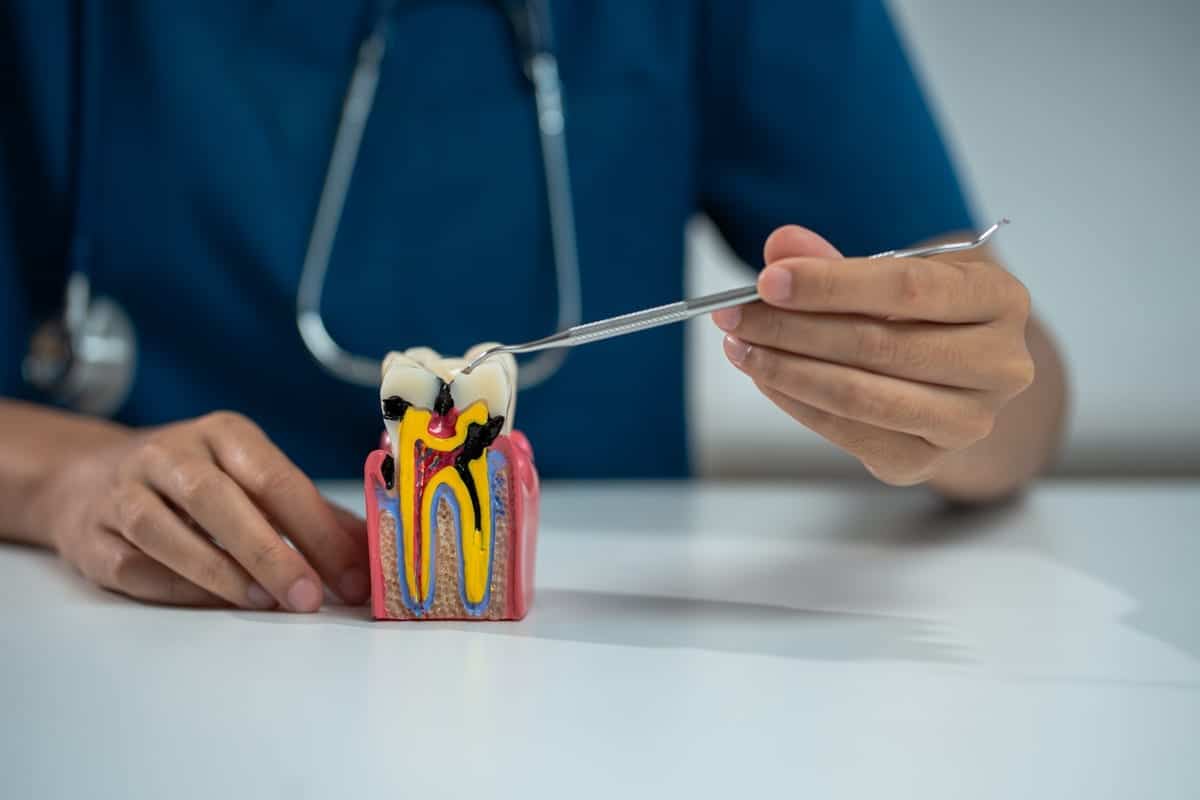
Tartar starts as plaque. Plaque is a soft, sticky film of bacteria that coats your teeth after every meal. When you brush and floss regularly, you remove most of that plaque before it causes damage. But any plaque that stays on your teeth for more than 24 to 72 hours begins to harden.
Minerals in your saliva bind with the leftover plaque. This creates a rock-hard substance called tartar, also known as calculus. Tartar bonds tightly to tooth enamel and the gumline. Once it hardens, your toothbrush bristles simply cannot break it free.
Tartar can form on any tooth surface. It most commonly builds up behind the lower front teeth and around the upper back molars. These are the same spots that brushing tends to miss most often.
Why Brushing Alone Can’t Remove Hardened Tartar in Los Angeles Smiles
This is one of the most important facts in dentistry — and one of the most misunderstood. Brushing is designed to remove soft plaque. It was never designed to remove mineralized deposits. The hardness of tartar is simply beyond what any toothbrush can handle.
Even electric toothbrushes with high-speed oscillation cannot scrape calculus off tooth surfaces. The same goes for water flossers and mouthwash. These are excellent tools for plaque prevention, but they have no effect on existing tartar buildup.
Many patients in Los Angeles try whitening toothpastes or tartar-control formulas. These products may slow new tartar formation slightly. However, they cannot dissolve or remove calculus that has already hardened onto your teeth.
- Soft plaque — removed by daily brushing and flossing
- Early plaque buildup — partially controlled with antiseptic rinses
- Hardened tartar — only removable with professional dental instruments
- Subgingival tartar (below the gumline) — requires a trained hygienist or dentist
What a Professional Cleaning Actually Removes That Home Care Cannot
A professional Dental Cleanings Exams Los Angeles visit does far more than a polish. Your hygienist uses specialized metal instruments called scalers. These tools are designed to physically break tartar away from the tooth surface without damaging the enamel underneath.
There are two key types of tartar that only professionals can address. Supragingival tartar sits above the gumline and is visible to the eye. Subgingival tartar hides beneath the gum tissue and is far more dangerous. Subgingival tartar is a leading cause of gum disease progression.
Here is what a professional cleaning removes that home care simply cannot:
- Hardened supragingival tartar on all tooth surfaces
- Subgingival calculus buried below the gumline
- Stain deposits that bond to tartar buildup over time
- Bacterial toxins embedded in the calculus layer
- Biofilm on root surfaces in deeper pockets
After scaling, your hygienist polishes the teeth with a gritty paste. This removes surface stains and smooths enamel so future plaque has less surface area to cling to.
The Health Risks of Ignoring Tartar Buildup in Los Angeles
Tartar is not just a cosmetic problem. The bacteria living inside tartar produce toxins. Those toxins irritate the gum tissue directly. Over time, this leads to gingivitis — the earliest stage of gum disease.
Left untreated, gingivitis progresses into periodontitis. Periodontitis destroys the bone supporting your teeth. Advanced gum disease is one of the leading causes of tooth loss in adults across Los Angeles and nationwide. The connection between tartar buildup and tooth loss is direct and well-documented.
Severe tartar and untreated gum disease can also affect the tooth pulp. When infection spreads inward, a Root Canal Treatment Los Angeles may become necessary to save the tooth. Regular cleanings help prevent minor tartar issues from escalating into complex dental emergencies.
Research also links chronic gum inflammation to systemic health conditions. These include cardiovascular disease, diabetes complications, and respiratory issues. Keeping your mouth free of tartar buildup is genuinely a whole-body health strategy.
How Often Should Los Angeles Patients Schedule Professional Cleanings?
Most dental professionals recommend a cleaning every six months. This schedule prevents tartar from building up to dangerous levels between visits. However, some patients need more frequent care. Those with a history of gum disease or rapid tartar formation may benefit from cleanings every three to four months.
Dr. Hossain and the team at Amigos Dental for Kids and Adults assess each patient individually. Your tartar buildup rate, gum health, and overall oral hygiene habits all influence how often you need professional care. There is no single schedule that fits every smile in Los Angeles.
Between visits, you can slow tartar formation with consistent habits. Brush at least twice daily for two full minutes each time. Floss once a day to disrupt plaque between teeth. Use an antiseptic mouthwash to reduce bacterial load in your mouth. These steps keep plaque under control — but they do not replace professional removal of hardened tartar.
Conclusion: Your Toothbrush Has Limits — Professional Care Does Not
Brushing is essential. Flossing is essential. But neither one can break down the hardened tartar that bonds to your teeth over time. Understanding why brushing alone can’t remove hardened tartar from your teeth in Los Angeles empowers you to take the right next step. Regular professional cleanings at Amigos Dental for Kids and Adults give Dr. Hossain’s team the opportunity to remove what home care leaves behind — and protect your smile from serious long-term damage. Book Now to schedule your appointment with our team.
Frequently Asked Questions
Can tartar be removed at home without a dentist?
No. Once plaque hardens into tartar, it cannot be removed with any home care product or tool. Only a dental professional using specialized scaling instruments can safely break tartar off tooth surfaces. Attempting to scrape tartar at home can damage enamel and injure gum tissue.
How long does it take for plaque to turn into tartar?
Plaque begins to harden into tartar in as little as 24 to 72 hours. This is why daily brushing and flossing are so important. Once tartar forms, no amount of brushing will remove it. Only a professional cleaning at a dental office can eliminate it.
Is tartar buildup painful?
Tartar itself is not typically painful. However, the gum inflammation it causes can lead to bleeding, sensitivity, and discomfort over time. Subgingival tartar — buildup below the gumline — can cause significant soreness as gum disease progresses. Many patients do not notice tartar until a dentist points it out during an exam.
What does tartar look like on teeth?
Tartar often appears as a yellowish or brownish deposit along the gumline or between teeth. It can also appear white or pale yellow in earlier stages. Behind the lower front teeth, tartar tends to accumulate quickly and is often one of the first places a hygienist addresses during a cleaning.
How can I slow down tartar formation between dental visits?
Brush thoroughly twice a day using a soft-bristled toothbrush. Floss daily to remove plaque from between teeth before it hardens. Use an antiseptic or tartar-control mouthwash as an additional preventive step. Reducing sugary foods and staying hydrated also helps minimize plaque buildup between professional cleanings.