Weekend Appointments Available

Your dental crown could last 15 years—or just 5. Here’s why that gap exists, and what Los Angeles patients can do about it. A dental crown is a significant investment in your smile. Understanding what protects that investment—and what destroys it—can save you time, discomfort, and money down the road.
At Amigos Dental for Kids & Adults, Dr. Hossain works with patients every day who are surprised to learn their crown failed early. The good news? Most causes are preventable. This guide explains exactly what affects crown longevity and how to keep yours lasting as long as possible.
How Long Do Dental Crowns Really Last in Los Angeles?
The honest answer is: it depends. Most dental crowns last between 10 and 15 years with proper care. Some crowns last 20 years or more. Others fail in as few as 5 years.
The material of your crown plays a big role. Porcelain crowns look natural but can chip under heavy pressure. Metal crowns are extremely durable but less aesthetic. Porcelain-fused-to-metal crowns offer a balance of both. At Amigos Dental, we also offer same-day dental crowns crafted with precision digital technology.
Your daily habits matter just as much as the material. Patients who grind their teeth, bite hard foods, or skip routine Dental Cleanings Exams Los Angeles often see their crowns wear out much faster than expected.
What Shortens a Crown’s Lifespan? Key Risk Factors
Several common habits and conditions put crowns at serious risk. Knowing these risk factors helps you take action before damage occurs.
- Teeth grinding (bruxism): Grinding places enormous force on crowns. Night guards protect against this wear.
- Chewing hard foods: Ice, hard candy, and crusty bread can crack or chip a crown unexpectedly.
- Poor oral hygiene: Bacteria build up at the crown margin, causing decay in the tooth underneath.
- Nail biting or chewing pens: These habits apply uneven pressure that weakens the crown over time.
- Skipping dental checkups: Small problems go undetected and worsen without regular monitoring.
- Acidic diet: Frequent soda and citrus exposure erodes the crown margin and surrounding enamel.
Bruxism is especially common among Los Angeles patients dealing with stress. Many people grind at night without realizing it. Dr. Hossain can spot the early signs of grinding during a routine exam and recommend a custom night guard before serious damage occurs.
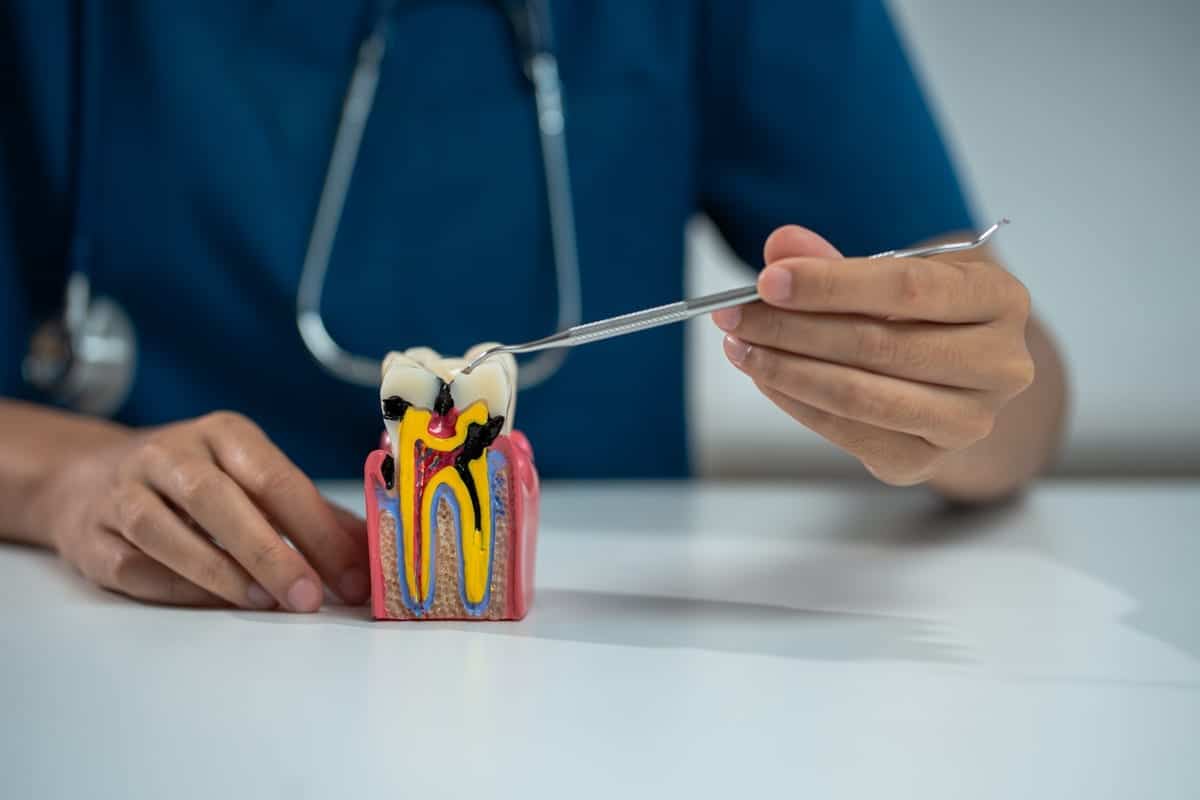
Poor hygiene is another silent crown-killer. Even though the crown itself cannot decay, the natural tooth beneath it can. Bacteria that accumulate at the gumline can sneak under the crown edge and cause deep decay. That decay often requires more than just a new crown—it may lead to a Root Canal Treatment Los Angeles or even tooth loss if left untreated.
Warning Signs Your Crown Needs to Be Replaced
Crowns do not always fail dramatically. Often, the warning signs are subtle. Catching them early prevents bigger problems and more costly treatment.
Watch for these red flags:
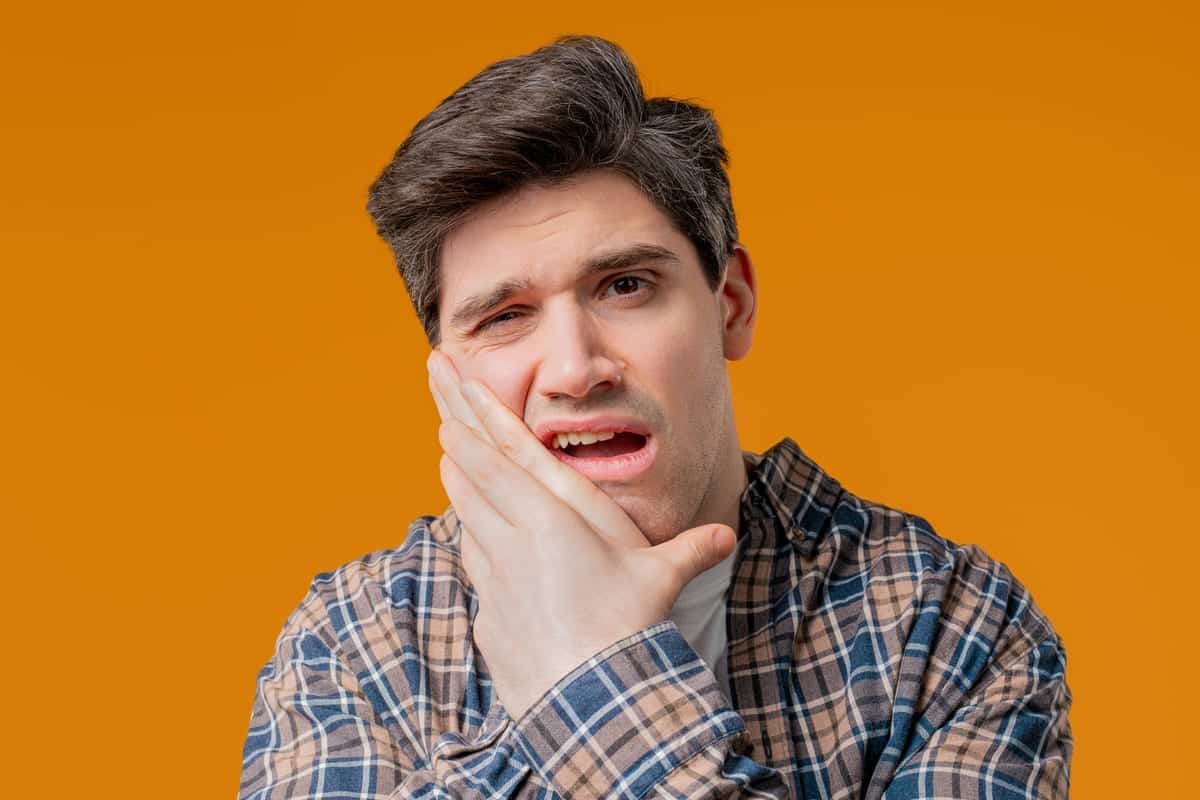
- Sensitivity or pain: Sharp pain when biting or sensitivity to temperature may signal crown failure or decay beneath it.
- Visible cracks or chips: Even small cracks compromise the crown’s seal and allow bacteria inside.
- Crown feels loose or wobbly: A properly bonded crown should feel completely stable. Movement means the cement has failed.
- Dark line at the gumline: This may indicate metal corrosion or the crown edge separating from the tooth.
- Gum swelling around the crown: Persistent swelling can signal infection or decay under the crown.
- Crown looks worn or discolored: Significant wear changes how your bite fits together, causing jaw and muscle strain.
If you notice any of these signs, do not wait. Contact Dr. Hossain at Amigos Dental as soon as possible. Early intervention protects the underlying tooth and often means a simpler, less expensive fix.
How to Maximize Your Dental Crown’s Lifespan
The steps that protect a crown are the same steps that protect your overall oral health. None of them are complicated. Consistency is what makes them effective.
Follow these daily and long-term habits to get the most from your crown:
Brush twice daily. Use a soft-bristle toothbrush and fluoride toothpaste. Focus extra attention where the crown meets the gumline. That margin is where decay most often begins.
Floss every day. Flossing removes plaque from areas your toothbrush cannot reach. Use a floss threader or water flosser if your crown is hard to reach with standard floss.
Avoid hard and sticky foods. Sticky candy can pull a crown loose. Hard foods can fracture even the strongest crowns. Make smart choices daily to protect your restoration.
Wear a night guard if you grind. Bruxism is one of the top reasons crowns fail early in Los Angeles patients. A custom night guard from Dr. Hossain distributes pressure evenly and dramatically extends crown life.
Keep every dental checkup. Twice-yearly exams allow Dr. Hossain to check the crown’s integrity, the underlying tooth, and surrounding gum health. Catching problems early always leads to better outcomes.
Frequently Asked Questions
How long does the average dental crown last?
Most dental crowns last between 10 and 15 years with proper care. Some can last 20 years or more. Factors like crown material, oral hygiene, diet, and habits like teeth grinding all influence how long a crown remains functional and intact.
Can a dental crown fall off, and what should I do?
Yes, a crown can come loose if the dental cement fails or if decay develops underneath it. If your crown falls off, keep it safe and contact Amigos Dental right away. Do not try to reattach it yourself. Dr. Hossain will assess whether the crown can be recemented or if a new one is needed.
Does grinding my teeth really damage dental crowns?
Absolutely. Teeth grinding, or bruxism, is one of the most common causes of early crown failure. The repeated pressure and friction wears down the crown material and can crack it over time. A custom night guard is one of the best ways to protect your crown investment if you grind your teeth.
Can decay form under a dental crown?
Yes. The crown itself cannot decay, but the natural tooth structure beneath it can. Bacteria that build up at the crown margin can infiltrate and cause decay in the underlying tooth. This is why brushing at the gumline and keeping regular checkups are so important for crown longevity.
When should I see a dentist about my dental crown?
See Dr. Hossain right away if you notice pain, sensitivity, looseness, visible cracks, gum swelling, or a dark line at the gumline near your crown. These are signs the crown may be failing or that decay is developing underneath. Early treatment almost always leads to a simpler and more affordable solution.
Your dental crown is built to last—but only if you give it the care it needs. At Amigos Dental for Kids & Adults in Los Angeles, Dr. Hossain and the team are here to help you protect every restoration and keep your smile healthy for years to come. Book Now to schedule your appointment with our team.